A Developer Blog Post
What’s a Battle Role?
Radiant Tactic’s battle roles are inspired by a Goonhammer approach to analyzing Warhammer 40k lists, and the language for discussing team compositions in MOBAs like League of Legend & DOTA. The basic notion is such:
Roles. When it comes to winning battles, different units contribute different utility to their team.
High defence ‘defenders’ are hard to budge from a capture point, while high offense ‘ranged carries’ readily remove foes.
The ways a unit contributes to its team winning a tactical battle are its battle roles.
Exclusive Roles. Now, roles aren’t necessarily exclusive. A towering Mecha might function both as a defender and a ranged carry.
It’s a design choice where along a spectrum to create units, from completely exclusive to fully overlapping roles.
Radiant Tactic’s battle roles are standards and guidelines for exclusive roles. They exist to support tactics genre play where more exclusive roles are fun.
Battle roles are meant to represent general case, with some units’ ‘uniqueness’ is constituted by breaking those norms.
Why Battle Roles?
Battle roles are useful to players and creators in several respects:
Inform Strategy. If you know an unknown foe’s battle role, you can plan in advance. You can form reasonable expectations for which enemies are dangerous in what ways, who should be priority target, kited, or otherwise addressed.
Fun Tactical Puzzles. Battle roles are tools to win battles. You can play and create fun tactical puzzles by limiting the available tools. Battle role supports such gameplay.
Role Playing. Part of a RPG character’s identity is its skills and aptitudes. I’m the tanky one, you’re the stabby one, and we need to cover each other’s weakness to win. Battle role play can spotlight these character attributes in narrative RPG play.
Faction Identity. Distinctive faction identity and gameplay feel can be built from limitations and exceptions among battle role options. A Centaur faction, with easy access to mobile assaulters and harriers, but limited defenders, will have a different play feel than a Dverg faction with lots of defenders & artillery, but limited mobile pieces.
Language & Communication. Battle role terminology facilitates discussions among players and designers, from planning team comp to identifying balance problems.
Design Challenges
Implementing battle roles has several challenges:
Comparative Roles. Some battle role defining characteristics are had relative to a set of enemies. Add enough foe with an offensive ability, and your ‘defender’ units may cease to function as such.
It’s helpful to think of battle roles as part of an ecosystem that needs careful consideration. A problem with the ‘power creep’ seen in some games is that it upsets the unit identities previously established by the ecosystem’s network of relationships.
Map Dependence. Maps are also part of the ecosystem. Traits like high movement and high mobility can be map dependent — calvary has high movement relative open plains, but not relative to lakes, where aquatic creatures excel.
In these respects, while it’s intuitive to present battle roles as a property of units (she’s a defender), it’s more precise and helpful for design to think of battle roles as constituted by relationships among units, foes, and tac map environments. This unit is an assault in virtue of the average map layout, likely enemy defence capability, and the unit’s traits.
Progression Compatibility. If you want to maintain role exclusivity over levels, it can limit what level up/build options players are offered.
It’s possible to offer RPG players level up tracks for battle roles, but it’s not clear that such role-enforcing tracks outweighs the fun of a more open build palette.
WiP Art

The Support
The Support possess one or more extreme healing, control, buff or debuff ability, but is otherwise unremarkable.
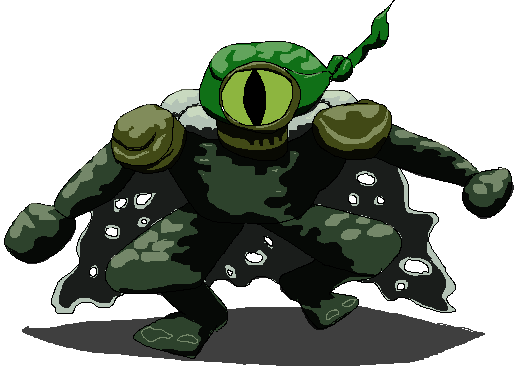
The Sniper
The Sniper targets priority targets, uses long ranged attacks to bypass enemy lines.
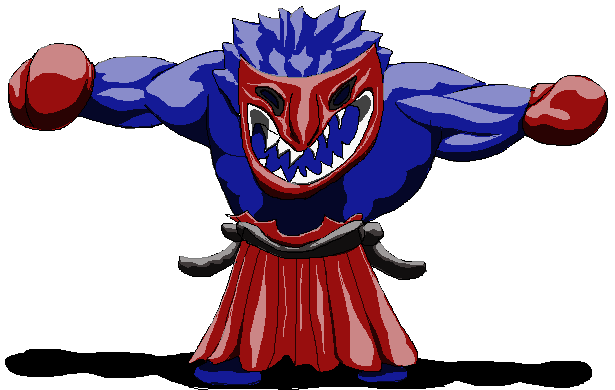
The Disruptor
The Disruptor uses its dive abilities, crowd control, and above average survivability to access and disrupt backlines.

The Melee Carry
The Melee Carry can potentially wipe out several foes in one turn, through attack resetting powers or melee AoE..

The Harrier
Harriers chip away at enemies or impair movement, while avoiding engagement using their mobility.
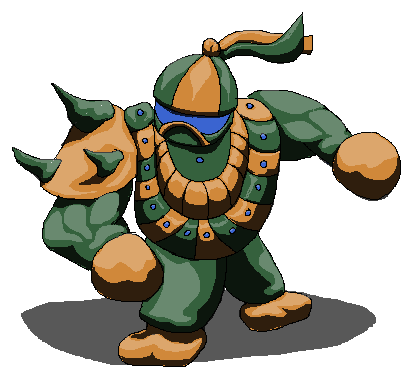
The Juggernaut
The Juggernaut has high melee damage potential, good survivability, but low movement. Variants have good sustain or counterpunch.
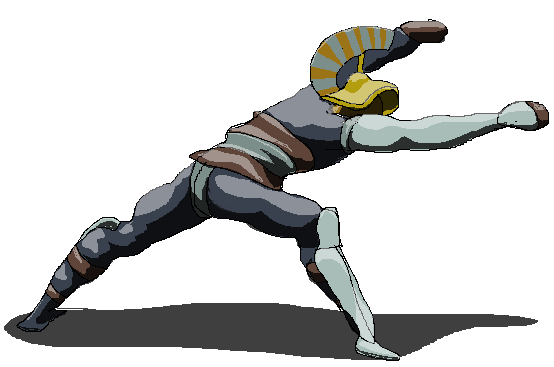
The Flanker
Flankers gain bonuses when flanking, be that high melee damage, ramping buffs, or team attacks.
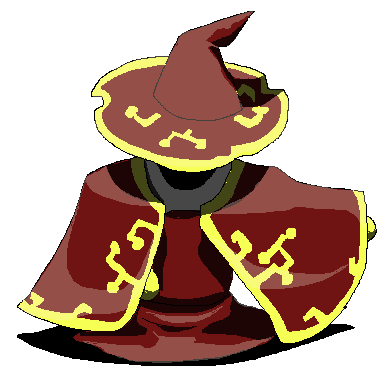
The Ranged Carry
The Ranged Carry deals sustained ranged damage that, left unchecked, will remove many foes over the battle.
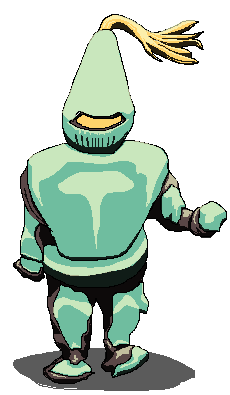
The Deterrent
The Deterent projects area control, deterring foes from moving through threatened tiles.
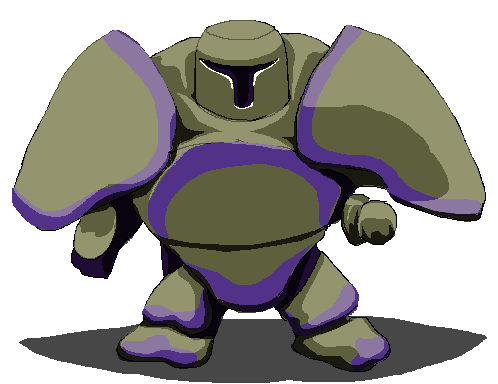
The Defender
Defenders use positioning to protect other units. A defender has low to average damage, high survivability, and abilities that limit foes offence.
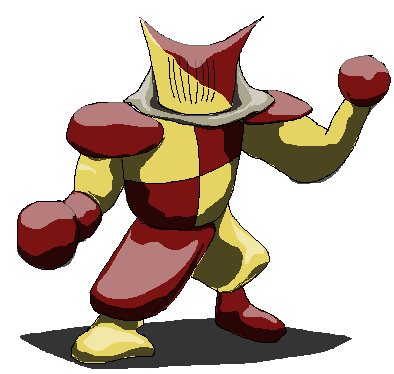
The Dualist
The Dualist offers tactical flexibility, possessing both ranged and melee damage capabilities.

The Artillery
Artillery use indirect ranged AoE to wreck havoc on clumped units.
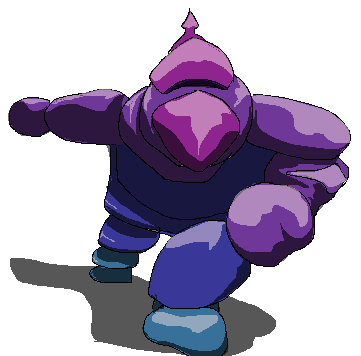
The Assault
The Assault has high movement and bonuses for charging.
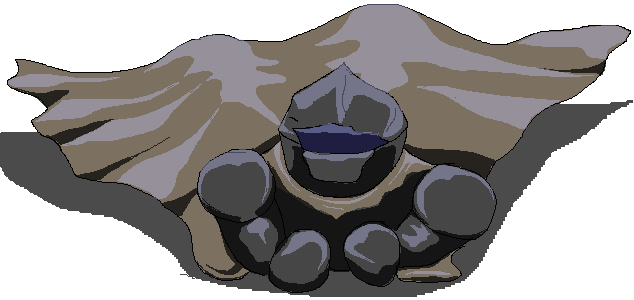
The Assassin
The Assassin accesses & eliminates enemy back line targets in melee through threat bypassing movement.
Thoughts?
Have you seen other battle role in tactical games? Tell us about them! Constructive criticism about art direction, terms for roles, or role readability? We’d like to hear that too. Send all feedback to DreamingFoxLLC@gmail.com.
Support for Radiant Tactics is provided by gamers like you. Support Radiant on Patreon.
 RADIANT TACTICS